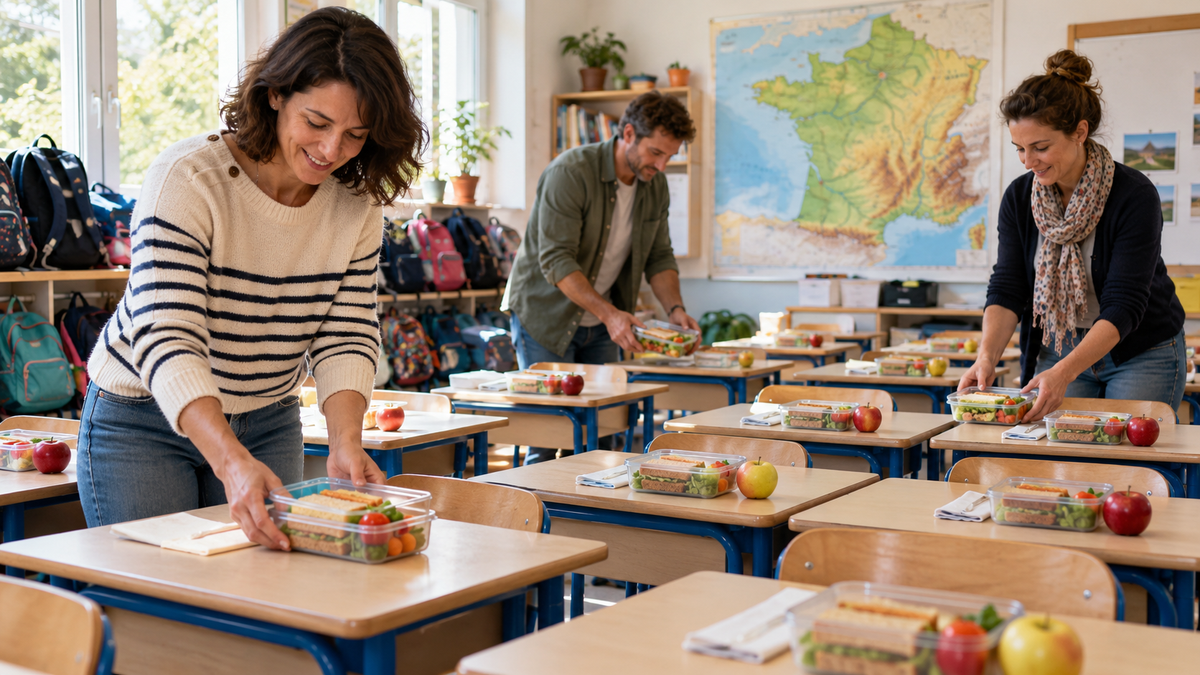
Food planning can shape the entire rhythm of a school trip. A well-prepared lunch box gives teachers and group leaders more control over timing, supervision and dietary needs, especially during busy days of sightseeing.
Start with the itinerary
Identify the longest travel periods, museum visits and meeting points before choosing a delivery time. Lunch should fit naturally between activities instead of forcing the group to cross the city in search of a restaurant.
Keep the meal practical
A baguette sandwich or salad, a drink, crisps and a fruit or dessert can be distributed quickly. Individual portions reduce queues and allow students to eat together in an approved location.
Collect dietary information early
Ask families for vegetarian, vegan, halal, pork-free, gluten-free and allergy-related requirements. Group leaders should send one consolidated list rather than separate messages, making preparation and labelling more reliable.
Plan for supervision
Choose a safe distribution area and keep special meals separate until they reach the correct student. A simple name or category label can prevent confusion.
Useful information for the supplier
- Final number of participants
- Age range of the students
- Exact delivery address and time
- Dietary list and group leader contact
Ti-Dej prepares and delivers group meal packages from a minimum of 15 meals. Early planning helps us adapt the order to the school’s itinerary.
Going Further with the Planning
Teachers should build the food plan into the risk assessment and daily timetable. The delivery point, responsible adult and special-meal list should be known before the group leaves its accommodation. A small distribution team can count standard meals first, then handle dietary packages separately.
A Practical Example
For a class of 48 students with five teachers, the organiser creates six colour groups. Each teacher collects one batch, while one nominated adult keeps the vegetarian, halal and allergy-related meals until the correct pupils arrive.
Frequently Asked Questions
Can lunch boxes be delivered to the hotel?
Yes, subject to hotel agreement and a confirmed recipient.
Should teachers order meals for themselves?
Yes. All adults, drivers and guides should be counted.
How are special meals identified?
The organiser provides a final list and the requested categories are labelled clearly.
Key Takeaway
A successful order depends on consolidated information, a reachable contact and a verified delivery point. Ti-Dej reviews each request according to volume, timing and itinerary to propose a realistic solution.
How to Prepare the Request Step by Step
- Review the itinerary: identify timed visits, transfers and the real amount of time available for eating.
- Count everyone: participants, leaders, guides and drivers must all be included.
- Consolidate dietary needs: use one final list and distinguish allergies, dietary practices and preferences.
- Verify the location: provide a complete address, exact entrance and confirmation that the coach can stop.
- Name one coordinator: this person receives calls, checks quantities and manages distribution.
- Confirm in writing: review the final summary before production begins.
For “School Trip Lunch Boxes: A Practical Guide for Group Organisers”, this process turns a general request into an operational order. It reduces conflicting messages and gives the supplier enough information to confirm what can realistically be delivered.
Why This Preparation Improves the Trip
A well-planned handover protects the rest of the itinerary. The group avoids unnecessary waiting, detours and the difficult search for restaurant seating for dozens of people. Leaders also have a clear process for distributing dietary meals.
Early planning does not mean every detail must be final months ahead. The organiser can begin with an estimate and confirm the key information progressively according to the agreed timetable. The important point is to maintain one complete and up-to-date document.